

Key points
- Occasional heartburn or gas is common. Symptoms that last, keep returning, or come with warning signs need a doctor.
- Blood in the stool, black stool, trouble swallowing, vomiting, or weight loss you did not plan are reasons to call soon.
- Call 911 for heavy bleeding, fainting, severe chest or belly pain, or vomiting blood.
Your stomach has been off for weeks. Maybe it is heartburn after every meal, bloating that never settles, or a bathroom habit that changed. You wonder if you are overreacting. Many people wait many months, then worry that they have waited too long. Knowing when to see a gastroenterologist can save you from both worry and delay.
This guide explains which digestive symptoms are common, which ones need prompt care, and what a visit involves. It is general information, not a diagnosis. Your doctor can tell you what is going on. We keep the language plain, and we explain each term. Take only what helps, and ask your own doctor about the rest.
Suffolk Health lists gastroenterology care at several Long Island and Queens locations, and this guide shows how to decide on a visit. Keep a notebook of symptoms as you read, since details help any doctor very much.
When to See a Gastroenterologist: Symptoms That Should Not Wait
Some symptoms deserve a call right away. The National Institute of Diabetes and Digestive and Kidney Diseases lists black or tarry stool, blood mixed with stool, bright red blood in vomit, and vomit that looks like coffee grounds among signs of gastrointestinal bleeding. Get medical help promptly for any of these.
Symptom | Why it matters | What to do |
|---|---|---|
Black or tarry stool | May signal bleeding higher in the digestive tract | Seek medical care promptly |
Blood in or on the stool | Can come from hemorrhoids, but needs a doctor to confirm | Book a visit soon |
Vomiting blood | Can signal serious bleeding | Call 911 or go to the ER |
Weight loss you did not plan | Can point to a medical cause | See a doctor soon |
Trouble swallowing | Food may be getting stuck | See a doctor soon |
Other reasons to see a specialist include repeated vomiting, severe or worsening belly pain, a lasting change in bowel habits, and low iron or anemia found on blood tests.
Blood in Stool: What to Do Next
Note the color, the amount, and any other symptoms, like dizziness or belly pain. Hemorrhoids are a common cause, but nobody should assume that without an exam. Book a visit soon, even if the bleeding stops. If bleeding is heavy, or you feel faint, weak, or confused, call 911.
Knowing when to see a gastroenterologist also helps with prevention. Ask your primary doctor when colon cancer screening is due for you, since colonoscopy can find problems before symptoms begin.
Gastroenterologist Long Island
If you search for a gastroenterologist Long Island practice, ask what conditions are treated and where. Suffolk Health says its gastroenterology specialists diagnose and treat conditions like acid reflux, IBS, Crohn’s disease, and liver disorders. Gastroenterology is listed at Riverhead and Hempstead, so call to confirm availability.
Acid Reflux Doctor Near Me: When Heartburn Needs More Than Antacids
Many people type acid reflux doctor near me after weeks of heartburn. Gastroesophageal reflux disease, or GERD, is a more severe, long-lasting form of reflux. According to NIDDK, you may be able to manage symptoms with lifestyle changes or over-the-counter medicines, and tests may be needed if symptoms do not improve.

- Eat meals two to three hours before lying down
- Avoid foods and drinks that trigger symptoms
- Talk to your doctor about weight loss if it applies to you
- Ask whether a medicine fits your health history
See a doctor if heartburn is frequent, wakes you at night, or comes with trouble swallowing, vomiting, black stools, or weight loss. Chronic reflux can lead to complications over time, so do not ignore it.
Reflux in Everyday Life
Large late meals, lying down soon after eating, and certain foods can trigger symptoms. Track what you eat and when symptoms appear for two weeks, then share the notes with your doctor.
Questions to Ask About Reflux
Ask whether testing is needed, how long to try treatment, and what signs mean you should return sooner. Suffolk Health lists nutritional counseling too, which can help with meal timing and food triggers.
Symptoms lingering for weeks? Request an appointment and describe what you have noticed.
IBS Specialist Queens: Bloating, Pain, and Changing Bowel Habits
Irritable bowel syndrome, or IBS, causes belly pain with bloating, diarrhea, constipation, or both. Searching for an IBS specialist in Queens often starts after months of guessing. IBS is a diagnosis made after other problems are ruled out. A doctor reviews your symptoms and history and may order blood or stool tests.
Bloating and Stomach Pain: When to Get Checked
People often ask about bloating and stomach pain when to see a doctor. See a doctor if bloating lasts for weeks, comes with weight loss, blood, fever, or nighttime pain, or if over-the-counter remedies stop working. Those features can mean something other than IBS.
- Pain that wakes you from sleep
- Rectal bleeding or black stool
- Unplanned weight loss
- Fever or repeated vomiting
- A family history of colon cancer, celiac disease, or inflammatory bowel disease
Queens patients can look at Fresh Meadows and Five Towns for local details.
Keeping a Symptom Diary
A simple diary can reveal patterns. Record what you ate, when pain or bloating started, bowel habits, stress, and sleep. Bring it to your visit. Your doctor can use it to decide which tests make sense and what to try first. When you ask yourself about bloating and stomach pain and when to see a doctor, the diary gives a clear answer.
What to Expect at a Gastroenterology Visit
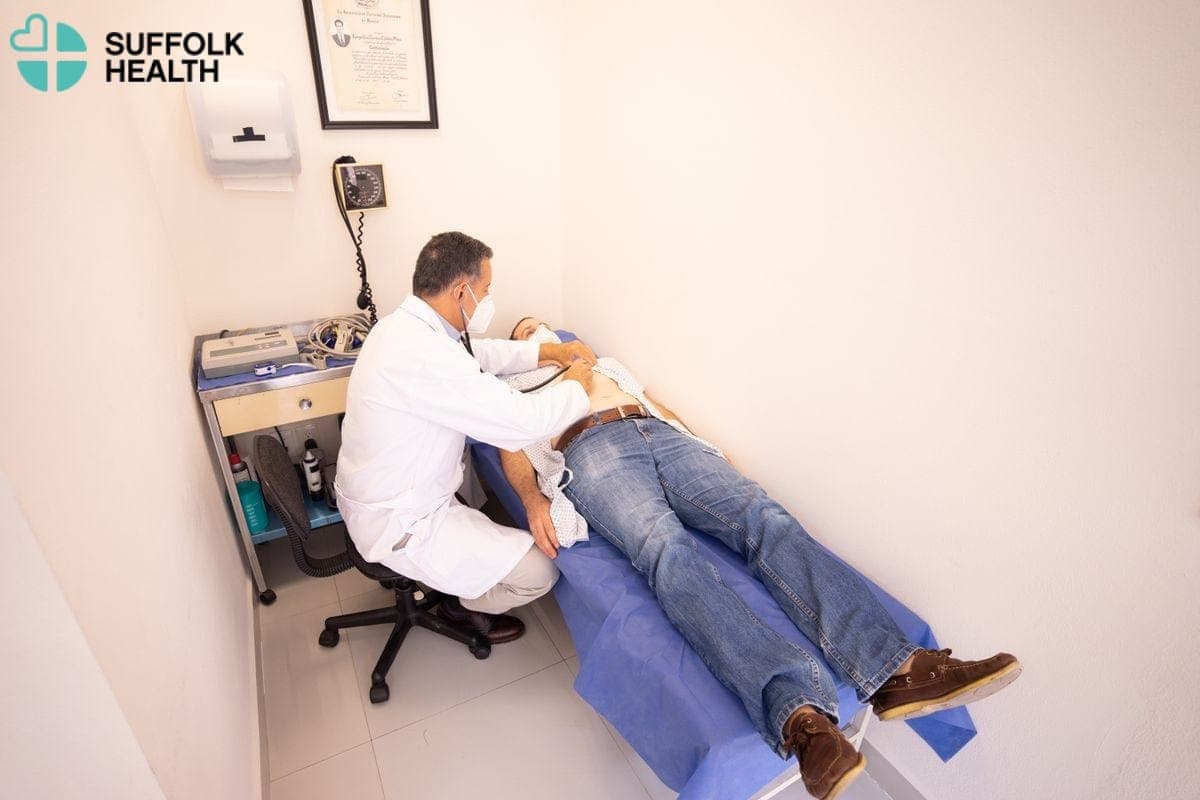
Your doctor will ask when symptoms started, what makes them better or worse, and what medicines you take. A physical exam may follow. Depending on your symptoms, blood tests, stool tests, an upper endoscopy, or a colonoscopy may be suggested. Suffolk Health says its gastroenterology services include diagnostic procedures like colonoscopy and upper endoscopy.
- Write down your symptoms and dates
- List your medicines and supplements
- Note any family history of digestive disease
- Bring your insurance card, including Medicaid if you have it
- Ask what to do if symptoms change
Suffolk Health says it accepts Medicaid and has bilingual staff. Meet the doctors before you book. Its site also lists a free transportation page, so ask whether you qualify for help getting to appointments.
Insurance and Access
Cost and travel stop many people from booking. Ask the office what your insurance covers, which location is closest, and what hours fit your schedule. Bilingual staff can help if you prefer Spanish.
Frequently Asked Questions
When to see a gastroenterologist for heartburn?
See one if heartburn is frequent, wakes you at night, does not improve with lifestyle changes or medicine, or comes with trouble swallowing, vomiting, black stool, or weight loss you did not plan.
Is there a gastroenterologist Long Island families can see for IBS?
Suffolk Health says its gastroenterology specialists treat IBS, acid reflux, Crohn’s disease, and liver conditions. Call the office to confirm which location offers gastroenterology near you, and ask about appointment times that fit your schedule.
Should I see an acid reflux doctor near me for occasional heartburn?
Occasional heartburn often responds to lifestyle changes. See a doctor if it happens often, lasts for weeks, or comes with warning signs like weight loss, vomiting, or black stool, since reflux can cause lasting damage.
What does an IBS specialist Queens patients can visit do?
A specialist reviews your symptoms and history, rules out other causes with tests when needed, and builds a plan for pain, bloating, and bowel changes. Bring a symptom diary to help.
What is the rule for bloating and stomach pain when to see a doctor?
See a doctor if bloating lasts for weeks, keeps returning, or comes with blood, weight loss, fever, vomiting, or pain that wakes you. Call 911 for severe pain, fainting, or vomiting blood.
Is It Just Heartburn?
Is it just heartburn, or something more? Write down how often symptoms hit each week, what you ate, and whether anything alarming showed up. That short list gives your doctor a head start on when to see a gastroenterologist. Bring it with you, and add anything new.
Suffolk Health offers gastroenterology and endocrinology alongside primary care, behavioral health, and other specialties in one network across Long Island and Queens. It accepts Medicaid, and its staff speaks English and Spanish. Its site lists locations in Riverhead, Hempstead, Fresh Meadows, and Five Towns.
Contact us or call 631-208-4460 today to ask about a visit. If you have heavy bleeding or severe pain, call 911. Questions about next steps are always welcome here.