

Key points:
- General surgeons treat many conditions involving the abdomen, skin, and soft tissue.
- A consultation helps confirm whether surgery is the right next step.
- Clear preparation can support safer care and a smoother recovery.
Hearing that you might need surgery can make your mind race. You may picture a major hospital stay, even when the planned procedure is smaller. General surgery Long Island care covers many conditions involving the abdomen, digestive tract, skin, breast, and soft tissue. A general surgeon also evaluates lumps, hernias, gallbladder problems, and other concerns. A referral does not mean an operation is certain.
The first visit often focuses on your symptoms, test results, health history, and choices. You should learn what the procedure aims to fix, what alternatives exist, and what recovery may involve. The general surgery team can explain how these details apply to your case.
This guide walks you through procedures and the consultation process. It offers practical questions for preparation and recovery. You will be ready to take part in decisions, without choosing a procedure alone or overlooking urgent symptoms that need immediate medical attention today.
What General Surgeons Commonly Treat
Common general surgery procedures include hernia repair, gallbladder removal, appendix surgery, and removal of certain skin or soft-tissue growths. Some surgeons also perform breast, colorectal, or endocrine procedures, depending on their training and practice.
Not every operation is broad or complex. Many use small incisions and allow you to return home the same day. Your condition, health, and support influence the setting.
Conditions that may lead to a referral
Your clinician may recommend a surgical opinion for:
- A painful or enlarging hernia.
- Repeated gallbladder attacks.
- A suspicious lump or tissue change.
- Persistent abdominal symptoms with abnormal testing.
- A wound or infection that needs a procedure.
- A condition that has not improved with nonsurgical care.
A primary care visit often starts the evaluation. The surgeon then decides whether an operation may help.
When Do You Need Surgery Rather Than Monitoring?
The answer depends on risk, symptoms, and how the condition behaves over time. Some problems improve with medicine, diet, therapy, or observation. Others may worsen or create complications if treatment waits too long.
A surgeon weighs likely benefits against anesthesia, bleeding, infection, and recovery risks. Your preferences matter too. Ask what may happen if you postpone the procedure or choose another approach.
Questions that clarify the decision
Use your consultation to ask:
- What diagnosis are we treating?
- What happens without surgery?
- Are there nonsurgical options?
- How likely is the procedure to help my main symptom?
- What are the most relevant risks for me?
- Is a second opinion reasonable?
Do not let embarrassment stop you from asking basic questions. Clear information explains when you need surgery.
What Happens at a Surgical Consultation?
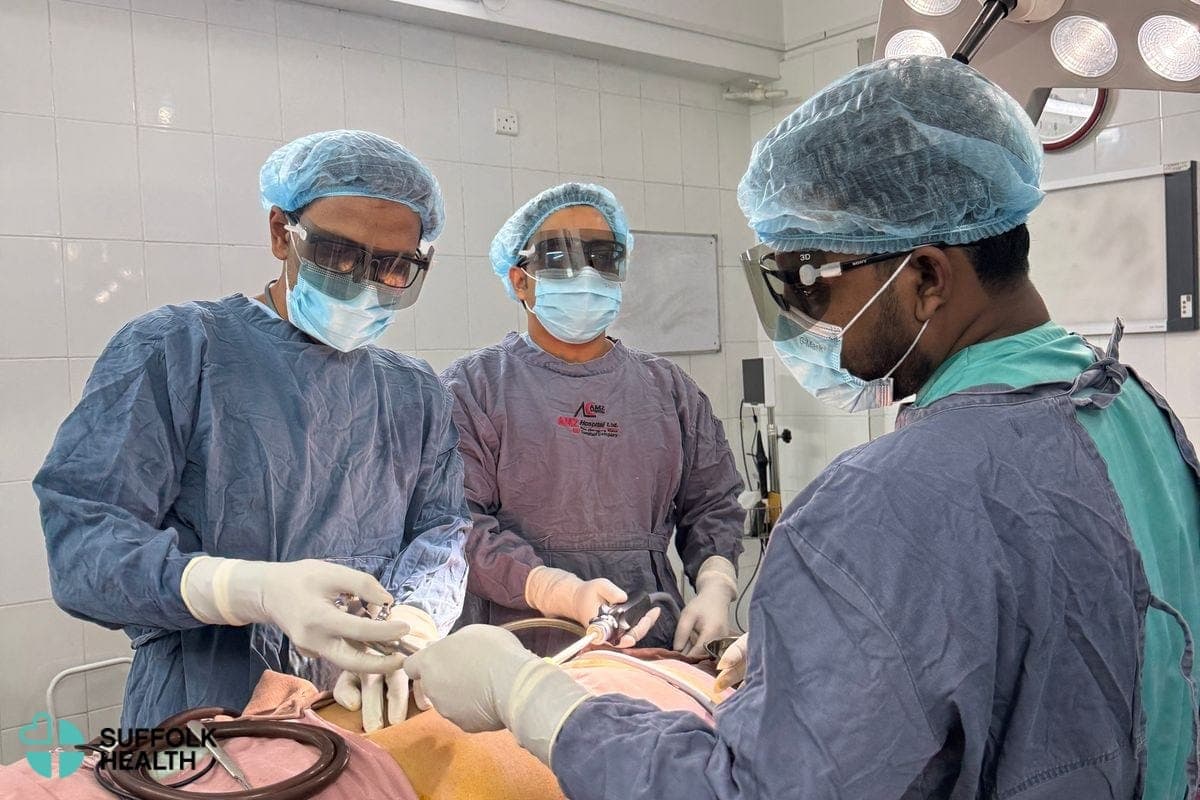
During a general surgery consultation, the surgeon reviews your symptoms, medical history, medicines, allergies, and prior operations. They may examine the affected area and review laboratory or imaging results. Bring reports and images if another facility completed testing.
The surgeon should explain the proposed operation in plain language. You should hear where it happens, which anesthesia may be used, how long it takes, and whether you can go home that day.
What to bring with you
Prepare:
- A current medicine and supplement list.
- Details about allergies or prior anesthesia reactions.
- Recent test reports and imaging.
- Your insurance information.
- A list of questions.
- A trusted support person, if you want one.
You can review available doctors and nearby locations before arranging your visit.
Preparing for an Outpatient Procedure
Knowing what to expect at outpatient surgery can reduce stress. You may receive instructions about eating, drinking, and medicine changes, plus bathing and arrival details. Follow the surgical team’s directions, since timing differs by procedure and anesthesia plan.
Do not stop prescription medicine on your own. Blood thinners, diabetes medicines, and weight-loss medicines may need special planning. Tell the team about every product you take, including vitamins and herbal supplements.
Plan the day before you arrive
Arrange transportation and an adult support person if required. Set up a comfortable recovery space at home. Fill approved prescriptions and stock simple foods before surgery.
Confirm:
- When to stop food and clear liquids.
- Which morning medicines to take.
- Where to check in.
- What clothing to wear.
- Who will drive you home.
- Which number to call after hours.
Patient-safety guidance recommends asking why the operation is needed, what alternatives exist, and what recovery will require. These questions help you make an informed choice.
Understanding Common Approaches and Risks
A general surgeon in Suffolk County may use an open approach or a minimally invasive approach. Minimally invasive surgery often uses small incisions and a camera. It may reduce pain or recovery time for some procedures, but it is not right for every person.
Risk depends on the operation and your health. Smoking, diabetes, heart or lung disease, and certain medicines may affect healing. Share your full history.
Risks to discuss before consent
Ask about:
- Bleeding and infection.
- Blood clots.
- Injury to nearby structures.
- Anesthesia reactions.
- Pain and scarring.
- The chance symptoms may continue.
- Reasons an approach might change during surgery.
The American College of Surgeons risk calculator shows how preoperative information helps estimate complications. Your surgeon can explain which risks matter most in your case.
Recovery Begins Before the Procedure

With general surgery Long Island planning, recovery instructions should arrive before surgery. Good outpatient surgery what to expect guidance also explains whom to call after hours. Ask how much walking, lifting, driving, showering, and work you can safely do.
Pain control may include several methods. Use medicine exactly as directed. Call if pain rapidly worsens or the plan does not control it.
Make home recovery easier
Before surgery:
- Move frequently used items within easy reach.
- Arrange help with children, pets, or lifting.
- Prepare simple meals.
- Keep wound-care supplies together.
- Put follow-up dates on your calendar.
- Save the surgical office number in your phone.
If you have ongoing medical conditions, coordinate with internal medicine or the clinician who manages them.
Warning Signs After Surgery
Your general surgery Long Island discharge instructions should list expected symptoms and urgent concerns. Call the surgical team for increasing redness, warmth, drainage, fever, worsening swelling, uncontrolled vomiting, or pain that suddenly intensifies. Follow the exact thresholds in your paperwork.
Call 911 for severe breathing trouble, chest pain, fainting, or symptoms of stroke. Do not wait for a routine callback when you feel dangerously ill.
Keep follow-up on track
At follow-up, discuss wound healing, pain, bowel function, activity, and return to work. Bring questions that came up at home. Mention any unplanned urgent care or emergency visits.
If common general surgery procedures are being compared, ask how recovery differs between options. That discussion can clarify when you need surgery now versus later. The specialty health program can coordinate care.
Frequently Asked Questions
Does a consultation mean I must have surgery?
No. A consultation helps confirm the diagnosis and review choices. You can ask about observation, medicine, lifestyle changes, procedural alternatives, and a second opinion before agreeing to an operation. General surgery Long Island care should leave room for questions.
Will I stay overnight after general surgery?
That depends on the procedure, anesthesia, medical history, and recovery. Many operations allow same-day discharge. During a general surgery consultation, your clinician should explain the expected setting and reasons an overnight stay might become necessary.
How soon can I return to work?
Your timeline depends on the operation and your job duties. Desk work differs from heavy lifting. Ask your general surgeon or Suffolk County clinician for written restrictions and discuss modified duties before the procedure.
What if I develop a cold before surgery?
Call the surgical team and describe your symptoms. Fever, coughing, or breathing problems may affect the plan. Do not hide an illness or decide yourself whether the operation should continue.
Can I eat before an outpatient operation?
Follow the exact fasting instructions from your surgical and anesthesia teams. Eating or drinking outside those directions can delay or cancel surgery. Call if the instructions seem unclear or conflict.
Cut Through the Uncertainty and Plan With Confidence
Choosing general surgery care on Long Island starts with understanding the diagnosis, the alternatives, and the recovery plan. A consultation gives you space to ask why surgery may help and what risks apply to your health.
Suffolk Health offers coordinated medical and specialty care across Long Island. Bring your medication list, test results, and written questions so your discussion stays focused and useful. Call 631-208-4460 when you need scheduling help. The Riverhead office is at 170 Old Country Road.
Request an appointment to discuss a concern at the Riverhead location or another office. The right information supports a confident decision. If severe pain, breathing trouble, fainting, or another emergency develops, seek immediate care.